
Honoring the pioneers who laid the foundations for experimental rigor, causal inference, and market design.
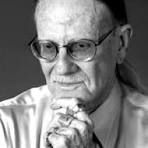
For establishing laboratory experiments as a tool in empirical economic analysis, especially in the study of alternative market mechanisms. His pioneering work laid the groundwork for the field of experimental economics.

For his methodological contributions to the analysis of causal relationships. He co-developed the Local Average Treatment Effect (LATE) framework, fundamentally changing how economists use instrumental variables to extract causal signals from observational data.
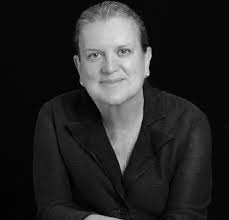
For her groundbreaking work on the measurement and behavioral impact of social norms. By bridging philosophy and experimental economics, her research provides rigorous frameworks for positive social change.
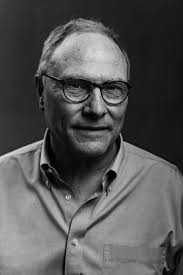
For his empirical contributions to labour economics. He revolutionized the use of natural experiments, famously utilizing difference-in-differences estimators to uncover true causal effects regarding minimum wage and immigration policies.
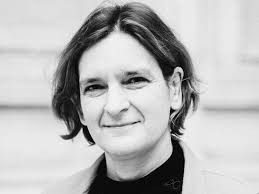
For her pioneering experimental approach to alleviating global poverty. By championing the use of Randomized Controlled Trials (RCTs) in development economics, she transformed the field's standard for causal evidence.
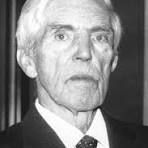
For his clarification of the probability theory foundations of econometrics and his analyses of simultaneous economic structures. His work was instrumental in formalizing the structural approach to causal inference.
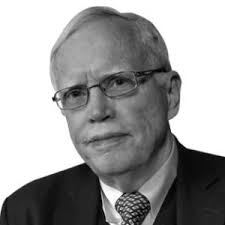
For his development of theory and methods for analyzing selective samples. His foundational work on selection bias correction remains a cornerstone of microeconometrics and observational causal inference.
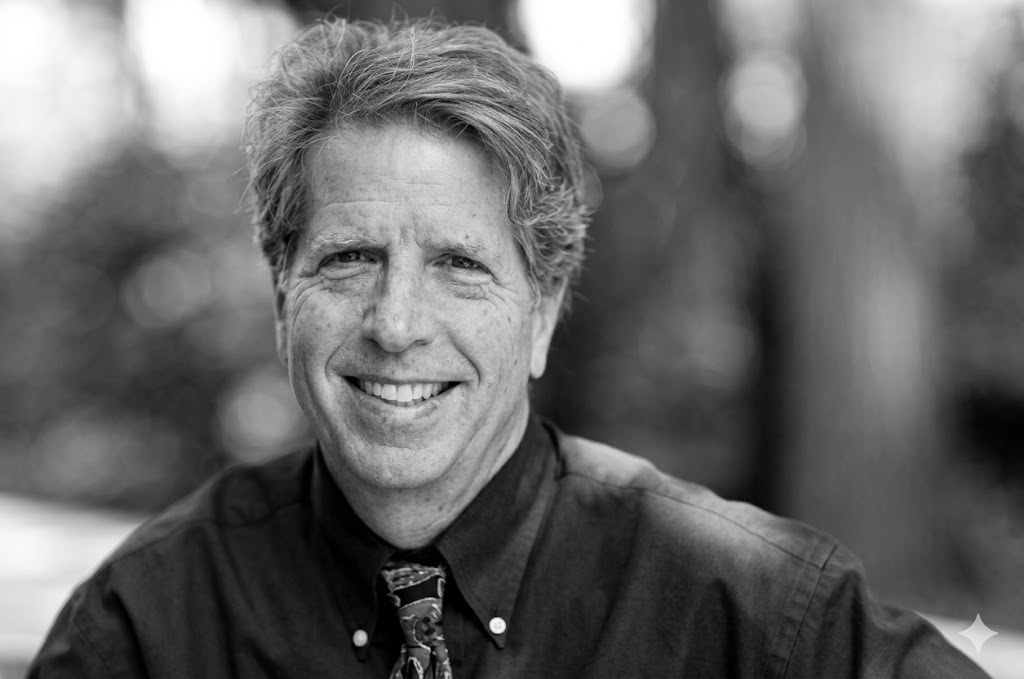
For his foundational contributions to experimental economics, particularly his pioneering work on risk aversion and the development of the Holt-Laury measure, as well as his creation of Veconlab to advance economics education worldwide.
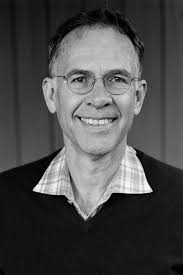
For his methodological contributions to the analysis of causal relationships. His pioneering work on matching methods, propensity scores, and the potential outcomes framework provides the mathematical bedrock for modern observational causal inference.
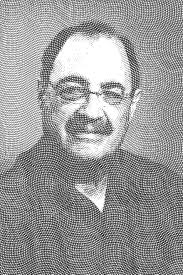
For his foundational contributions to econometrics, particularly the development of partial identification. His frameworks allow researchers to draw credible causal inferences when data is incomplete or assumptions are weak.

For her analysis of economic governance, especially the commons. She masterfully blended field studies with laboratory experiments to challenge conventional wisdom about collective action and institutional design.